

🦠 What Is Cyclosporiasis?
Cyclosporiasis is an intestinal infection caused by the microscopic parasite Cyclospora cayetanensis. It infects the small intestine and leads to prolonged gastrointestinal illness.
👥 Who Is at Risk?
- Anyone consuming contaminated food or water
- Travelers to tropical/subtropical regions
- People eating imported produce (basil, cilantro, lettuce, raspberries, peas)
- Children, older adults, and immunocompromised individuals are more likely to develop severe illness
⚠️ Symptoms
Symptoms usually appear 2–10 days after exposure and may relapse:
- Watery or explosive diarrhea
- Loss of appetite, bloating, stomach cramps
- Nausea, vomiting
- Fatigue and malaise
- Low-grade fever
🧪 Tests to Diagnose
- Stool sample testing (multiple samples may be needed due to intermittent parasite shedding)
- Special laboratory staining techniques to detect Cyclospora
- Providers may ask about recent food intake or travel history
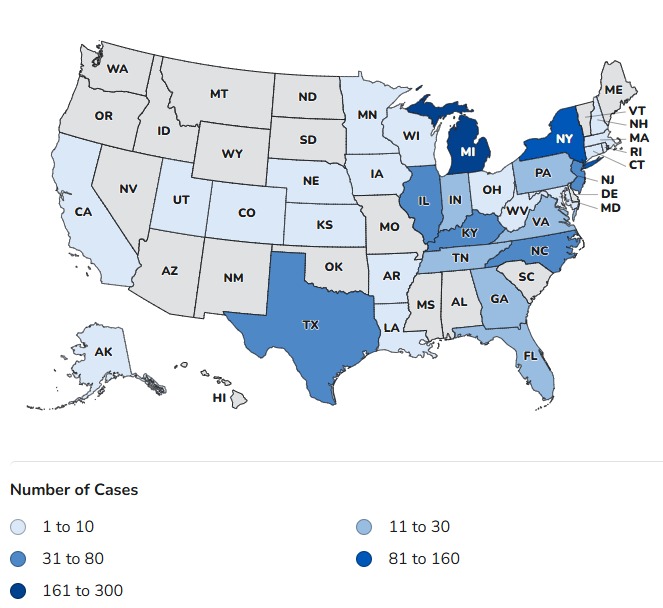
📊 Current Cases in the U.S. & NYC
As of July 9, 2026
- Nationwide (2026): Over 843 cases across 31 states
- CDC surveillance (May–June 2026): 843 confirmed cases, 86 hospitalizations, no deaths
- New York City: Cases reported as part of the national outbreak, linked to contaminated produce
🌐 How It Spreads
- Fecal-oral route: Contaminated food or water
- Linked to fresh produce washed or irrigated with contaminated water
- Not spread person-to-person
❓ FAQs
Q1: Is cyclosporiasis contagious between people? No. It spreads through contaminated food or water, not direct contact.
Q2: How long does it last? Without treatment, symptoms can persist for weeks to months and may relapse.
Q3: What is the treatment? Antibiotics such as trimethoprim-sulfamethoxazole (TMP/SMX) are standard. Supportive care includes hydration and electrolyte replacement.
Q4: Can urgent care diagnose it? Yes. Urgent care providers can order stool tests, begin supportive care, and prescribe antibiotics if confirmed.
Q5: When should I go to the ER? Go to the ER if you have severe dehydration, confusion, dizziness, or inability to urinate, especially if immunocompromised.
🏥 Can UrgentWay Help?
Yes — UrgentWay Urgent Care can:
- Evaluate symptoms and order stool tests
- Provide antibiotics and hydration support
- Offer same-day care to prevent complications
👉 Visit urgent care for mild to moderate symptoms. 👉 Go to the ER or call 911 for severe dehydration or worsening illness.
📍 Locations: Bronx, Manhattan, Hempstead, Hicksville
📞 Call 877-276-9006